
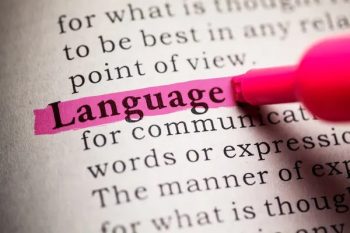
In the 21st century, approximately 7,000 languages are spoken worldwide. Numbers vary depending on how languages are classified. Many languages risk extinction, with some having only a few speakers left. UNESCO estimates that one language disappears approximately every two weeks.
Language extinction occurs when a language ceases to be spoken or used daily, leading to its complete disappearance. In the 21st century, this phenomenon is accelerating, with many experts estimating that nearly 50% of the world’s 7,000 languages could disappear by the end of this century.
The Power of Language: Preserving Humanity’s Greatest Gift
There’s a thread that runs through all human connection, culture, and knowledge. Our ancestors’ wisdom transcends time as it inspires innovation and unity. Besides shaping our individual identities, words also shape our collective narrative as a global community. Yet, in the face of rapid globalization, languages worldwide are vanishing at an alarming rate.
Losing a language also means losing a collection of traditions, stories, and wisdom. Cultural diversity and heritage erasure go hand in hand with these losses. But there’s still hope to preserve the heritage’s assets.
Why Language Matters
Language is more than a tool for communication. It’s an embodiment of thought, emotion, and imagination. When a language dies, we lose more than words—we lose a way of thinking, a perspective, and the intangible essence of a community.
What Can We Do?
- Celebrate Diversity: Promote and learn less widely spoken languages.
- Support Indigenous Communities: Collaborate with native speakers to document their languages through dictionaries, recordings, and literature.
- Educate Future Generations: Encourage multilingual education that includes indigenous and minority languages in curricula.
- Raise Awareness: Use social media and other platforms to highlight the importance of linguistic diversity.
A Call to Action
Languages carry humanity’s soul. By embracing linguistic diversity, we honor our shared history and create a more inclusive future. Together, we can ensure that no language is left behind.